Self-Employed and Need Equity Access? Here’s How 2nd Trust Deeds Work Without W-2s
The problem is not your financial position. The problem is the lens banks use to review it. Conventional mortgage underwriting was built around salaried employees, and it has never adapted well to the way self-employed borrowers actually structure their finances. Write-offs that cut back on your tax liability - the same ones your accountant celebrates - become liabilities the second a bank processor pulls up your returns. Suddenly, a thriving business looks like it barely breaks even on paper.
This is where a self employed home equity loan through a private lender, structured as a second trust deed, has a legitimate path forward. Private lenders underwrite these loans differently. Instead of fixating on income documentation, they review the equity in your property, the strength of your exit strategy, and the risk profile of the deal. It’s a fundamentally different framework, and for borrowers with strong equity, it tends to produce very different results.
I’ll walk through how second trust deeds work for self-employed borrowers, what private lenders are actually looking for, what business purpose means under California law and why it shapes how these loans are structured, and what the process looks like at EZ Loans when W-2s are not part of the picture.
Key Takeaways
- Banks reject self-employed borrowers because legitimate tax write-offs reduce reported income, making thriving businesses appear unprofitable on paper.
- Private lenders evaluate equity, exit strategy, and cash flow via bank statements instead of requiring W-2s or tax returns.
- California classifies loans as “business purpose” or “consumer purpose,” giving private lenders more flexibility when funds serve income-generating activities.
- Borrowers can access roughly the difference between 80% of their home’s value and their existing mortgage balance.
- EZ Loans requires only bank statements, a profit and loss statement, property details, and a credit review, funding in as little as 7 days.
Why Banks Keep Rejecting Self-Employed Borrowers (And Why That’s Not the Full Story)
Traditional lenders are built around one idea: predictable income that’s easy to document. A W-2 gives them a clean number to work with, and that makes their job easy. When you’re self-employed, that clean number doesn’t exist in the same way.
The frustrating part is that most self-employed borrowers write off legitimate business costs to reduce their taxable income - it’s tax planning. But those same deductions shrink the income figure that shows up on a tax return, which is what banks use to determine if you can repay a loan.
So your business could be doing well, your bank account could be healthy, and you might have years of steady work behind you. On paper your income looks low. Banks see that number and stop there.
Conventional lenders also apply a two-year self-employment history rule in most cases. Even if you were a salaried employee before going out on your own, that prior income usually doesn’t count. You have to wait out the clock before they’ll take you as a borrower.

A lower reported income doesn’t necessarily mean you can’t repay a loan. Cash flow, assets, and the equity already built into a property all tell a more complete story about financial health. Banks just aren’t set up to read that story the way it’s written.
This is a structural limitation in how conventional lending works, not a personal failure. Banks use automated systems and standardized rules that weren’t designed with self-employed borrowers in mind. That leaves qualified borrowers without access to the equity they’ve already earned.
Private lenders approach this differently. Instead of starting with a tax return, they look at the full picture of what you own and what you can realistically repay - it’s where 2nd trust deeds become an option for those who don’t fit the conventional mold.
How Private Lenders Underwrite a Self Employed Home Equity Loan Without W-2s
Private lenders think about risk differently than banks do. Instead of starting with your income, they start with your property. The core question is how much equity you have and how you’re looking to pay the loan off when it comes due.
That second part - the exit strategy - matters more than most borrowers expect. It could mean you’re looking to sell the property, refinance into a conventional loan once your income picture looks cleaner, or use a known liquidity event like a business sale. Private lenders want to see a logical path forward, not just a credit score. Learn more about how lenders evaluate risk on a 2nd trust deed before you apply.
On the income side, the strategy is straightforward. Instead of W-2s, lenders look at 12 to 24 months of personal or business bank statements to get a read on your cash flow. A profit and loss statement prepared by your accountant can also carry weight here.
If your income is harder to document, an asset portfolio can sometimes substitute. Lenders may look at retirement accounts, investment holdings, or liquid reserves to confirm you have the means to service the debt. This is sometimes called a no income verification strategy, though that term is a bit loose - there’s still documentation involved, just not the traditional kind.

Two numbers help define what you can borrow. The first is your combined loan-to-value ratio, which compares all loans on the property to its appraised value. Most private lenders cap this between 65% and 75%. The second is your credit score, which usually needs to land around 620 at minimum, though a score of 720 or higher will open up better terms. Current 2nd trust deed rates in California will also factor into what you can afford to borrow.
| Factor | What Lenders Look For |
|---|---|
| Income Documentation | 12-24 months bank statements or P&L |
| Max CLTV | 65%-75% of appraised value |
| Credit Score Range | 620 minimum, 720+ preferred |
| Exit Strategy | Sale, refinance, or liquidity event |
One thing that shapes this in California is how the loan gets classified. The laws around what counts as a business purpose loan affect what lenders can do and how the loan gets structured.
What “Business Purpose” Actually Means for Your Loan in California
California lending law draws a firm line between two types of loans: consumer purpose and business purpose. That distinction changes which laws apply to your loan and how much flexibility a lender has when working with you.
A loan is classified as business purpose when the funds go toward something income-making or commercially oriented. Think business operations, investment property, or capital to sustain a business. The intended use of the money determines the classification - not the type of collateral you’re putting up.
This matters because consumer loans fall under stricter state and federal protections- like laws around how lenders verify income and what disclosures they have to give you. Business purpose loans work under a different framework, which gives private lenders more room to structure terms based on asset value and business context instead of a standard income checklist.
For self-employed borrowers, that flexibility is helpful. If you’re pulling equity to fund a business expansion or to cover operating costs while revenue catches up, you might qualify under business purpose laws that a consumer loan wouldn’t accommodate. Learn more about how to qualify for a 2nd trust deed in San Diego.

That said, the classification has to be accurate. Misrepresenting a personal expense as a business use to get around consumer lending laws is a problem and something lenders and regulators take seriously. If you’re using the funds to pay off personal debt or finance a personal purchase, the loan should be classified accordingly - though using a 2nd trust deed to consolidate high-interest debt is a legitimate option when structured correctly.
Most private lenders will ask you to document the intended use of funds. A simple written statement of purpose is standard. Some will go further and ask for context around your business or how the funds connect to income-making activity.
Getting this right from the start keeps the loan structure clean and protects you legally- it also helps your lender build a file that holds up to scrutiny. So when you apply, be clear about what the money is actually for. If you want to see how these loans play out in practice, browsing real loan scenarios can help set expectations.
Loan Size, Equity Minimums, and What the Numbers Actually Look Like
Second trust deed loans for self-employed borrowers usually range from $50,000 on the low end to around $4 million for bigger properties with big equity; it’s a wide range, and where you land can depend on your property value and how much you still owe on your first mortgage.
The number to know is CLTV - combined loan-to-value ratio - the total of all loans on your property divided by its latest value. Most lenders cap this at 80% to 85%, though some more conservative lenders set the limit closer to 50%. Private lender rates and terms in San Diego can vary significantly depending on where your CLTV lands.
A rough check is easy. Take your home’s estimated value and multiply it by 0.80. Then subtract what you currently owe on your first mortgage. Whatever is left is roughly the maximum a lender might let you borrow through a second trust deed.
| Home Value | 80% CLTV Limit | First Mortgage Balance | Approximate Max 2nd TD |
|---|---|---|---|
| $800,000 | $640,000 | $400,000 | $240,000 |
| $1,200,000 | $960,000 | $600,000 | $360,000 |
| $2,000,000 | $1,600,000 | $900,000 | $700,000 |
These are estimates so you can get oriented - not a guarantee of approval. Your number will depend on the lender’s CLTV threshold and how they look at your property’s value.
One thing that matters more than sometimes expected is the status of your first mortgage - it needs to be in good standing - no recent late payments, no active forbearance. Lenders won’t take a second position behind a first that already shows signs of strain. Learn more about why junior lien positions carry added risk and how lenders manage it.
If you have a high-value property and you’ve been paying down your mortgage for a few years, there’s a chance the numbers are in your favor. San Diego investors have used that built-up equity to scale their portfolios quickly when the timing is right.
The Paperwork EZ Loans Actually Asks For (It’s Less Than You Think)
When you’re ready to move forward, the first thing you want to know is what to collect. The document list for a 2nd trust deed through EZ Loans is shorter than most self-employed borrowers expect.
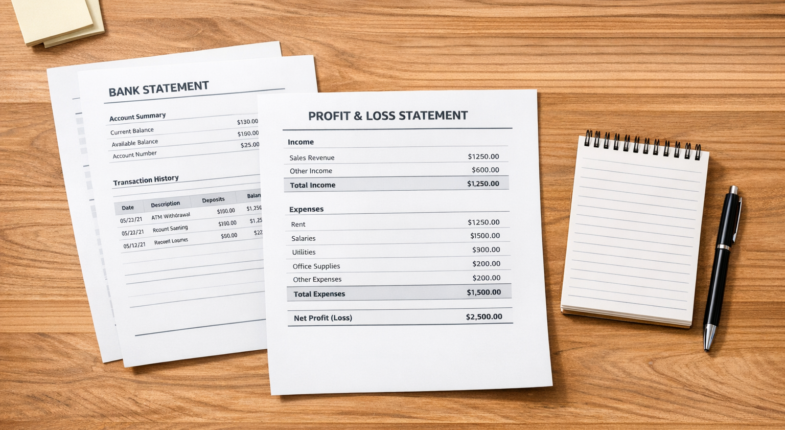
Bank statements are the starting point. EZ Loans will look at recent personal or business bank statements to get a picture of your cash flow- this replaces the W-2s and pay stubs that traditional lenders use so heavily.
A profit and loss statement is also part of the picture- it doesn’t need to come from a CPA - a well-prepared self-prepared P&L can work in a lot of cases. You want to show steady income in a way that makes sense on paper.
On the property side, you’ll need basic facts ready for your existing home and the equity position you’re working with. That includes information about your latest mortgage balance so EZ Loans can confirm where the second lien would sit.
Credit is reviewed as part of the process too- it doesn’t need to be perfect. But EZ Loans will pull it to know the full picture alongside your equity and income documentation.

That’s largely the list. Bank statements, a P&L, property facts, your mortgage info, and a credit review. For self-employed borrowers used to lenders asking for two years of tax returns, multiple years of business records, and extensive verification, this is a noticeably lighter lift.
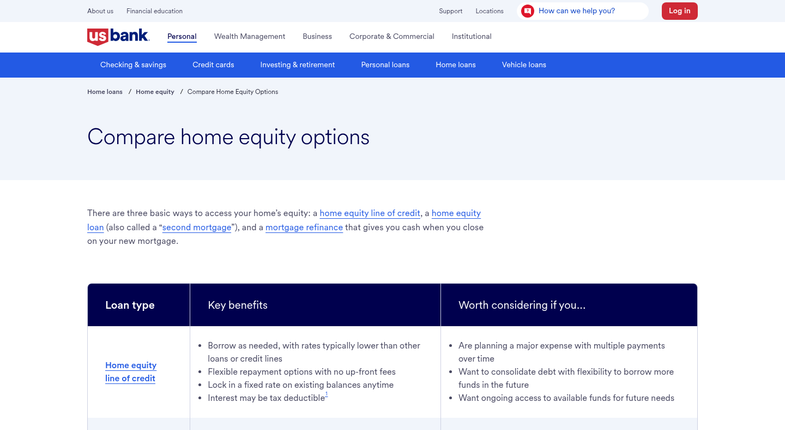
One more thing worth knowing about pulling documents together: EZ Loans can fund in as little as 7 days once everything is in order; it’s a fast turnaround for a real estate loan. If you’re weighing your options, it helps to understand how a 2nd trust deed compares to a home equity loan on speed. If you have a time-sensitive reason to access equity - a business opportunity, a tax obligation, a property buy - the speed here is worth factoring into your planning.
Having documents organized first is what makes that timeline possible. The next section covers what to sort out before you submit your application.
What to Sort Out Before You Apply for a 2nd Trust Deed
Before you contact a lender, pull your credit score and know where you stand. A score of 620 is roughly the floor for most private lenders and above 720 puts you in a noticeably better position for rate and terms. You don’t need perfect credit. But you do need to know your number so nothing slows the process down once you’re in it.
Check that your first mortgage is current with no recent late payments. Private lenders look at your payment history on the first because it sits ahead of them in line. A missed payment in the last few months can raise problems even if everything else looks good.
Run your combined loan-to-value ratio before you apply. Add your existing mortgage balance to the amount you want to borrow and divide that by your home’s current value. Most lenders want to stay under 75% to 80% CLTV, so knowing this number ahead of time tells you how much room you actually have.
Your exit strategy deserves more thought than most people give it. Private lenders care about how you’re planning to repay the loan at the end of the term, and a vague answer here can slow approval or change your terms. Think through whether you’re looking to refinance, sell, or use income from a business event - and be ready to explain it plainly.
Be honest with yourself about your loan purpose too. Lenders will ask what the funds are for, and a well-framed answer that connects to a concrete plan reads better than something open-ended. You don’t need to over-explain. But you do need to sound like someone with a plan.
Having these pieces in order before you apply makes the whole process faster and puts you in a stronger position from the first conversation. A little preparation goes a long way when working with a private lender who moves faster and asks direct questions. When you’re ready to move forward, get in touch to start the conversation.
Your Equity Is the Asset - Now It’s Time to Use It
If you’ve been turned away before, that rejection wasn’t a reflection of your financial strength - it was a mismatch between your situation and the wrong type of lender. The path forward is clear: equity in your property, a basic exit strategy, and documentation that accurately reflects how your business generates income. When those three elements come together, approval becomes a real possibility.
The team at EZ Loans works with self-employed borrowers every day and knows how to review your situation on its merits. If you’re still figuring out which documents to pull together or want to understand how the process works, reaching out costs nothing and could open up options you didn’t know you had. Contact EZ Loans and let’s take a look at what your equity can do.
FAQs
Why do banks reject self-employed borrowers for home equity loans?
Banks rely on tax returns to verify income, but self-employed borrowers often use legitimate write-offs that reduce reported income. This makes a profitable business appear unprofitable on paper, causing automatic rejections despite strong cash flow.
What documents do private lenders require instead of W-2s?
Private lenders typically require 12-24 months of bank statements, a profit and loss statement, property details, existing mortgage balance, and a credit review. This is significantly less documentation than traditional lenders require.
What is a business purpose loan in California?
A business purpose loan is one where funds are used for income-generating activities like business operations or investment properties. This classification gives private lenders more flexibility in structuring loan terms compared to consumer loans.
How much can I borrow with a second trust deed?
Multiply your home's value by 0.80, then subtract your existing mortgage balance. Most private lenders cap combined loan-to-value ratios between 65-80%, with loan amounts ranging from $50,000 to $4 million.
How fast can a second trust deed loan close?
EZ Loans can fund a second trust deed in as little as 7 days once all documentation is submitted and organized, making it significantly faster than conventional home equity loans.
Have Questions About Your Situation?
A 15-minute conversation can clarify whether a 2nd trust deed is the right tool for your goals.
Talk to Erik