2nd Trust Deeds in San Diego: Rates, Requirements, and Real Timelines in 2026
This market has its own dynamics that a generic loan guide won’t cover. Coastal submarkets like Pacific Beach, Del Mar and Coronado see loan-to-value ratios compress well below 60% on first mortgages and it gives borrowers room to layer a second lien. Inland areas - El Cajon, Santee, Spring Valley - like to carry slightly higher combined LTVs which can affect rate and approval. The second mortgage San Diego borrowers actually qualify for depends heavily on where the property sits, what the latest first balance looks like and if you’re working with a direct lender or a broker adding margin at every step.
What most borrowers want to know isn’t theoretical. They want to know what the rate will actually be, how much they can realistically borrow and how long the process takes from application to funded loan. Those numbers can vary - sometimes significantly - depending on the lender structure, the property type and the documentation you bring to the table. This post breaks it down with the specificity this market deserves: rate ranges, LTV expectations by submarket and a basic timeline so you know what you’re committing to before you apply.
Key Takeaways
- San Diego’s coastal submarkets allow higher CLTV ratios up to 80%, while inland areas face stricter limits around 60-70%.
- 2nd trust deed rates range from 8.75% to 15% depending on lender type, credit strength, and combined loan-to-value ratio.
- Asset-based lenders may skip income verification entirely, making these loans accessible for self-employed borrowers and investors.
- Direct lenders can fund in 7-10 business days, while broker-sourced deals typically take two to four weeks or longer.
- Loan amounts range from $75,000 to $500,000 with short terms of one to three years, designed for near-term needs.
How San Diego’s Equity Landscape Shapes 2nd Trust Deed Borrowing
San Diego is one of the most equity-rich metros in the country, and that matters quite a bit if you want to borrow against your home a second time. Coastal properties in neighborhoods like La Jolla, Pacific Beach, and Encinitas have appreciated so steadily that homeowners are sitting on hundreds of thousands of dollars in usable equity. That depth gives lenders more confidence and gives borrowers more room to work with.
Inland areas show something different. Cities like El Cajon and Santee have also appreciated, but values are lower and lenders see more volatility risk in those markets. That means the same loan amount that sails through underwriting on a coastal property might run into more scrutiny a few miles east.
Your zip code shapes what lenders are willing to approve before you even fill out an application.
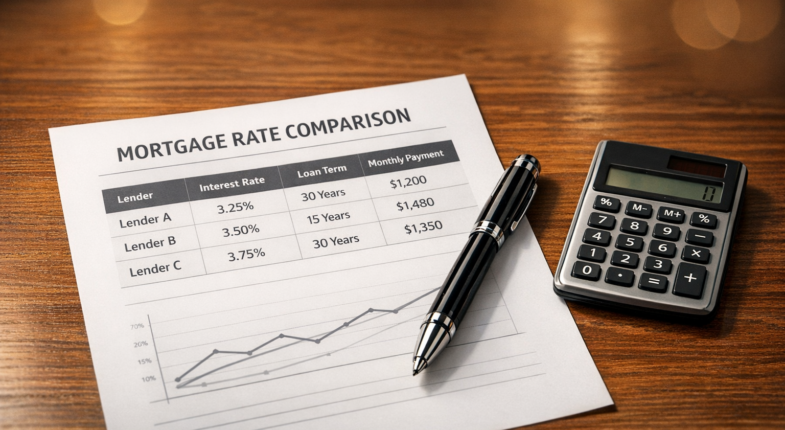
The number lenders focus on is your combined loan-to-value ratio, which is your first and second mortgage balances added together and divided by your home’s appraised value. Most 2nd trust deed lenders in San Diego work within a 50% to 80% CLTV range. A borrower in La Jolla with a low first mortgage balance might land comfortably at 65% CLTV and get approved without much friction. A borrower in a mid-range inland zip with less equity might push up against that 80% ceiling and find their options narrower.
Lenders draw these lines to protect themselves if property values drop and they need to recover what they’re owed. The lower your CLTV, the less exposure they take on and the more willing they are to lend - it’s not arbitrary, it’s just math built around local market data. To understand more about how lenders evaluate risk on a 2nd trust deed, it helps to see exactly what goes into their decision-making process.
Property type also factors in. A single-family home in a desirable coastal neighborhood is easier to collateralize than a condo in an oversaturated inland market. Lenders treat these differently because junior lien risk is different.
| Area Type | Example Neighborhoods | Typical CLTV Range |
|---|---|---|
| Coastal / High Value | La Jolla, Pacific Beach, Encinitas | Up to 75%-80% |
| Inland / Mid-Range | El Cajon, Santee, Spring Valley | Up to 60%-70% |
What Rates and Loan Terms Actually Look Like in 2026
Rates on 2nd trust deeds in San Diego are not one flat number. Where you land on the rate can depend on a few key factors, and knowing those things helps you set basic expectations before you talk to a lender.
The lower end of the range sits around 8.75% to 9.5%, and those rates go to borrowers in the strongest position. That means strong credit, a low combined loan-to-value ratio, a single-family property, and a conventional lender who has time to underwrite. Not everyone qualifies for that tier. But it exists as a benchmark.
Hard money and private lenders work at the higher end, usually between 10% and 15%. These loans move faster and have more flexible approval standards, which is why the rate is higher. If your CLTV is pushing 70% or above, or the property is non-standard, then you’ll almost certainly land in this range.
| Lender Type | Typical Rate Range | Best For |
|---|---|---|
| Conventional / Portfolio Lender | 8.75% - 9.5% | Strong credit, low CLTV, standard property |
| Private / Hard Money Lender | 10% - 15% | Faster close, flexible underwriting, higher CLTV |
Loan amounts on 2nd trust deeds in San Diego run from around $75,000 to $500,000. Given how much equity San Diego homeowners are sitting on, bigger loan amounts are not unusual at all.

Terms are short by design. Most 2nd trust deeds run one to two years, sometimes as high as three. These are not 30-year products. Borrowers use them to solve a near-term need and then refinance or sell once the goal is met.
The point worth taking is that shopping between lenders can move your rate by a full percentage point or more. That gap translates to real money on a $200,000 loan over 18 months. Lenders weigh the same deal differently, so the first number you hear is not necessarily the best one available to you.
The Qualifying Factors San Diego Lenders Focus On
Lenders who write 2nd trust deeds in San Diego are not underwriting the loan the same way a bank would. They are lending against property equity, so the condition of that equity matters more than almost anything else on your application.
The single biggest number they look at is your combined loan-to-value ratio, or CLTV: your first mortgage balance plus the new 2nd trust deed, divided by the property’s latest value. Many hard money and private equity lenders in San Diego hold a strict 50% CLTV limit. That means on a $900,000 home, your first mortgage and the new loan can’t exceed $450,000 total.
Some lenders will stretch to 60% or 65% CLTV for well-qualified borrowers. But 50% is a common floor. The more equity you have in the property, the more leverage you have to negotiate better terms.
Your First Mortgage Still Matters
Lenders will also look at the existing first trust deed. A first mortgage that’s current, fixed-rate, and with a conventional lender puts the 2nd lender in a more comfortable position. A first that’s already in default, has a balloon payment coming due, or sits with a hard money lender of its own can be a disqualifying factor with 2nd trust deed lenders.
The lender behind you in line is taking on risk if the first ever goes sideways, so they want that first position to look stable.

Income Verification Is Not Always Part of the Picture
What sets asset-based lending apart is that income documentation is not necessarily part of the underwriting process. Some lenders skip pay stubs, tax returns, and debt-to-income calculations entirely and go off the equity position alone - this opens the door for self-employed borrowers, retirees, and real estate investors who have strong assets but tough income on paper.
Lenders who do check income are usually looking to confirm you can service the debt - not to run a full bank-style analysis. In those cases a recent bank statement or a simple asset summary can be enough.
Appraisals are the same way. Some lenders order a full appraisal and others use automated valuation tools or a broker’s price opinion to establish value. A property in good condition with comparable sales nearby makes that process easy.
Direct Lender vs. Broker: How the Path You Choose Affects Your Timeline
Once you know where you stand on equity, credit and income, the next thing that shapes your experience is who actually funds the loan. There are two paths: go directly to a lender who holds and funds their own loans, or work through a broker who shops your file to multiple lenders on your behalf.
With a direct lender, the process is more contained. There’s one underwriting team, one set of guidelines and one decision-maker. That structure tends to compress the timeline considerably and in San Diego’s private lending space, a well-prepared borrower can close in 7 to 10 business days; it’s not a best-case scenario - it’s a basic one when documentation is ready and the property is straightforward.
Broker-sourced deals move differently. The broker submits your file to lenders, waits for interest, negotiates terms and then the chosen lender runs their own underwriting process. That can add layers and it can add time. Two to four weeks is common and longer timelines happen when lenders pass or come back with conditions that need to be addressed first.
Incomplete paperwork causes the most delays, regardless of path. Lenders want a picture of the property, the existing first mortgage balance and the borrower’s ability to repay. If any of that takes time to pull together, the process stalls. Having your documents organized ahead of time makes a difference.

A clean title, a property with equity and a borrower who responds quickly to requests all speed things up. Lenders with deep experience in the San Diego market - some have funded over $250 million in local loans - can also move faster because they know local property values and don’t need time to review the market.
Brokers do have a place. If your situation is unusual or your file needs some creative positioning, a broker who knows the right lenders can be helpful. But if speed matters and your documentation is ready, going direct cuts out the middle steps.
Knowing the difference between these two paths is part of making a call on this type of financing and that’s what the final section addresses.
Mapping Your Next Move as a San Diego Equity Borrower
Borrowers who do well with 2nd trust deeds go in with answers to those questions. They know what they’re using the funds for, they’ve stress-tested the monthly payment against their income, and they’ve done enough homework to find a fair deal when they see one. That preparation matters more in San Diego than in most markets - because the equity is real, the opportunity is actual, and so are the costs of moving forward with the wrong loan structure. If you’re weighing your options, it’s worth understanding how a 2nd trust deed compares to a cash-out refinance before committing to a path.
If you’ve worked through the research and you’re ready to take the next step, EZ Loans works as a direct lender - not a broker - which means faster decisions, less middlemen, and a clearer line between your application and your funding. Reach out directly for numbers based on your equity position and goals, regardless of where you are in the choice process.
FAQs
What are typical 2nd trust deed rates in San Diego 2026?
Rates range from 8.75% to 9.5% for strong borrowers with conventional lenders, and 10% to 15% for hard money or private lenders offering faster, more flexible approvals.
How does my San Diego neighborhood affect loan approval?
Coastal areas like La Jolla allow CLTVs up to 80%, while inland areas like El Cajon typically cap at 60-70% due to lower values and higher perceived volatility risk.
Do I need to verify income for a 2nd trust deed?
Not always. Asset-based lenders may skip income verification entirely, relying on your equity position instead, making these loans accessible for self-employed borrowers and investors.
How long does a 2nd trust deed take to fund?
Direct lenders can fund in 7-10 business days with complete documentation. Broker-sourced loans typically take two to four weeks or longer due to additional submission steps.
What loan amounts are available for San Diego 2nd trust deeds?
Loan amounts typically range from $75,000 to $500,000, with short terms of one to three years, designed to address near-term financial needs before refinancing or selling.
Have Questions About Your Situation?
A 15-minute conversation can clarify whether a 2nd trust deed is the right tool for your goals.
Talk to Erik