Using a 2nd Trust Deed to Consolidate High-Interest Debt: What San Diego Homeowners Should Know
The math behind high-interest debt and untapped home equity has a cruel logic to it. Your home may be worth $650,000 or more. But the 22% APR on your credit cards doesn’t care about that. The equity is real, the debt is real, and they are out there in separate worlds - unless you connect them. That’s where a second trust deed, usually called a home equity loan, enters the picture - it’s a way to borrow against the equity you’ve already built and use those funds to remove high-interest balances in one move.
I’ll talk about what that looks like in practice - the monthly payment math, the interest savings over time, and the basic timeline for coming out ahead. But it’s also going to be honest about what this move actually means, because using home equity to pay off unsecured debt is not a neutral financial transaction. Credit card debt is unsecured. A second trust deed is secured by your home. That distinction matters, and any post that skips over it is doing you a disservice.
If you’re a San Diego homeowner sitting on equity and carrying a debt load that’s becoming hard to manage, this is worth understanding - the upside, the mechanics, and the dangers - to decide if it’s the right move for your situation.
Key Takeaways
- A second trust deed lets San Diego homeowners borrow against equity to eliminate high-interest credit card debt in one move.
- California lenders typically allow borrowing up to 80-85% of home value minus the existing mortgage balance.
- Consolidating lowers monthly payments significantly, but longer loan terms can mean paying more total interest overall.
- Converting unsecured credit card debt into a home-secured loan puts your property at foreclosure risk if payments are missed.
- A common danger is paying off cards with equity, then accumulating new card balances, leaving borrowers worse off than before.
How a 2nd Trust Deed Taps Your Home Equity for Debt Payoff
A second trust deed is a private home equity loan that sits behind your first mortgage on title - it’s not a government assistance program or a down payment grant - it’s a lien secured by your home, funded by a private lender or a hard money source, and it gives you access to the equity you’ve built up over time.
The term “second” means second position behind your existing mortgage. If you ever sold or had to settle debts, your first mortgage lender would get paid before the second trust deed lender. That added danger is why second trust deed lenders charge higher rates than first mortgage lenders - but those rates are still well below what most credit cards and personal loans carry.
California lenders usually let you access as high as 80 to 85 percent of your home’s value across all loans combined. The math is easy: take your home’s appraised value, multiply by 0.80 or 0.85, then subtract what you still owe on your first mortgage. That remaining number is roughly what’s available to you through a second trust deed.
A concrete example makes this easier to see. Say you own a home in San Diego worth $800,000 and you owe $500,000 on your first mortgage. At 80 percent of value, your combined loan ceiling is $640,000. Subtract the $500,000 first mortgage and you’re left with as high as $140,000 you could access. At 85 percent, that number climbs to $180,000.
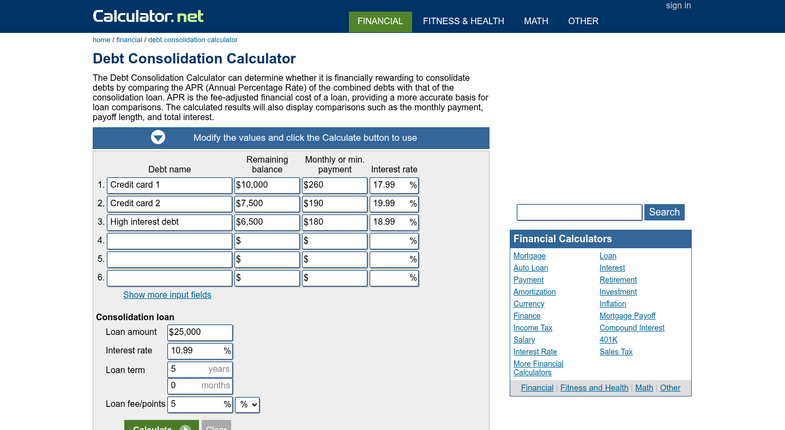
That’s a substantial amount of capital for homeowners. Credit card balances, personal loans, and medical debt can add up to tens of thousands of dollars - and equity in the $140,000 to $180,000 range is enough to cover that in many cases.
San Diego homeowners are in an especially strong position here because local home values have climbed substantially over the past decade. Many homeowners who bought five or more years ago are sitting on equity they haven’t touched. A second trust deed is one way to put that equity to work without refinancing the entire first mortgage.
It’s worth being clear about what this loan is not - it’s not a line of credit you draw from over time - that would be a home equity line of credit, or HELOC. A second trust deed is a lump-sum loan with a fixed repayment schedule. You get the funds, pay off the debts you’re targeting, and then make monthly payments on the second loan until it’s paid in full. If you’re weighing your options, see how a 2nd trust deed compares to a HELOC before deciding.
The next section walks through the numbers so you can see what the monthly payment and interest savings might look like in a scenario.
The Debt Consolidation Math: Monthly Savings, Interest Reduction, and Break-Even
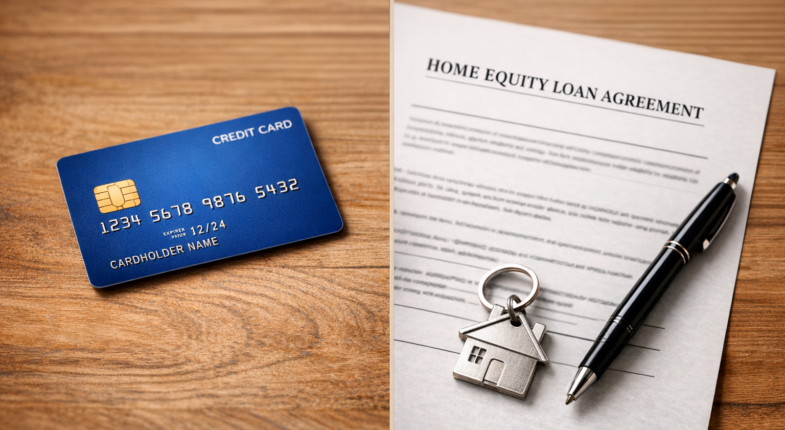
Let’s run through a basic example so you can see what the numbers actually look like. Say a San Diego homeowner is carrying $50,000 in credit card debt at an average APR of 24%. At that rate, a minimum payment strategy barely moves the needle on the principal, and a fixed 5-year payoff plan would cost roughly $1,430 per month.
Now imagine consolidating that same $50,000 into a 2nd trust deed at 10% interest over 10 years. The monthly payment drops to around $660; it’s a difference of about $770 per month, which piles up fast over the life of the loan.
Comparing Total Interest Paid
The monthly savings are real. But the total interest comparison is where things get more interesting. Paying off $50,000 in credit card debt at 24% over 5 years costs roughly $16,000 in interest. A 10-year 2nd trust deed at 10% on the same amount costs about $27,000 in interest over the full term. So the monthly payment is lower. But the longer term means you pay more interest in total.
That’s an important trade-off to sit with. Some homeowners pay extra toward the principal each month to cut back on that total interest cost while still keeping the monthly payment low as a safety net.
Factoring In Closing Costs
A 2nd trust deed comes with closing costs, and in California you can usually expect to pay between 2% and 5% of the loan amount. On a $50,000 loan, that’s $1,000 to $2,500 out of pocket or rolled into the loan balance.
To find your break-even point, divide the total closing costs by your monthly savings. If you save $770 per month and paid $2,000 in closing costs, you break even in under 3 months. Then every month is net positive from a cash flow standpoint.
| Scenario | Monthly Payment | Total Interest Paid | Term |
|---|---|---|---|
| Credit cards at 24% APR | ~$1,430 | ~$16,000 | 5 years |
| 2nd trust deed at 10% | ~$660 | ~$27,000 | 10 years |
| 2nd trust deed at 10% (5-year payoff) | ~$1,062 | ~$13,750 | 5 years |
Your Credit Score Affects the Rate You Get
San Diego’s average credit score sits around 659, which is considered fair. At that score, a borrower might not qualify for the lowest available rates on a 2nd trust deed. A higher rate changes the math above, so it’s worth pulling your credit report first to know where you stand.
Even at a slightly higher rate like 12% or 13%, the monthly savings over high-interest credit cards can still be big. Run the numbers with your rate and your balances to get a picture that fits your situation. If you want to see how lenders evaluate risk on these loans, that context can help you prepare before applying.
The Risk You Can’t Ignore: Turning Unsecured Debt Into a Secured Loan
The math on debt consolidation can look convincing. But before you move forward, there’s one thing you’ll have to know - and it changes the nature of this choice considerably.
Credit card debt is unsecured. That means if you lose your job, go through a divorce, or fall behind on payments, your credit takes a hit and collectors may come calling; it’s stressful. But your home isn’t on the line. A second trust deed is different. You are borrowing against your property, which means the lender has a legal claim to it if you don’t pay.
Missed payments on a home equity loan can trigger foreclosure; it’s not meant to frighten you - it’s the honest reality of how secured debt works. The monthly payment that felt manageable when you signed could become a problem if your income drops or your costs increase unexpectedly. Understanding how home equity loans compare to second trust deeds can help you see exactly what you’re agreeing to before you commit.
The Pattern Worth Naming
There’s a common pattern that happens after consolidation. A homeowner pays off their credit cards with a second trust deed and feels genuine relief. The balances are gone and the monthly payment is lower. Then, over the next year or two, the cards start to fill back up.
This isn’t a character flaw - it’s human. But it leaves you in a worse position than before. Now you have the second trust deed payment and the rebuilt card balances to manage. The debt didn’t go away; it multiplied.

If you consolidate, it’s worth having a plan for those credit cards after the payoff - closing them, cutting back on the limits, or setting a firm personal rule about use. The loan itself won’t change your spending habits; that part is up to you.
What Protections You Do Have
California law does give you a window to rethink. Under the federal Truth in Lending Act, you have a three-day right to cancel most home equity loans after signing - called the right of rescission, and it applies to your primary residence. You can walk away within that window without penalty.
That three-day period exists for a reason - use it to re-read the loan terms, run the numbers one more time, and make sure nothing changed between the quote you received and the final documents in front of you. If you want to know what it actually takes to qualify for a 2nd trust deed, reviewing those requirements before signing helps you catch anything unexpected.
There’s no protection against a loan that was the right call at signing but becomes unmanageable later; it’s why the choice to convert unsecured debt into a loan backed by your home deserves more than a quick look at the monthly savings. The lower payment is real. So is the consequence of missing it. A clear look at current rates, requirements, and real timelines gives you the full picture before you decide.
Is a 2nd Trust Deed the Right Move - Or Just a Costly Detour?
A second trust deed can be a powerful financial tool for the right homeowner at the right time. San Diego’s strong property values mean residents have equity to work with, and in some cases, restructuring high-interest debt into a lower-rate secured loan creates long-term financial breathing room. But it works best when it’s part of a wider plan - not just a way to fix a balance sheet without tackling what filled it.
The smartest next step looks different for everyone. Some will benefit from running the numbers with a licensed mortgage professional who can talk about rates and costs without pressure. Others may want to explore how a 2nd trust deed compares to other options first - a comparison that can look at the full picture before any equity is touched. And some may need to sit with the numbers a little longer before making a move. There’s no wrong answer here, as long as the choice is made with eyes open.
FAQs
What is a second trust deed used for?
A second trust deed is a home equity loan that lets homeowners borrow against their property's equity to pay off high-interest debts like credit cards in one move.
How much equity can San Diego homeowners borrow against?
California lenders typically allow borrowing up to 80-85% of your home's value minus your existing mortgage balance, potentially giving access to tens of thousands of dollars.
Does consolidating debt with home equity save money?
Monthly payments drop significantly, but longer loan terms can mean paying more total interest. For example, a 10-year second trust deed at 10% costs more total interest than a 5-year credit card payoff plan.
What are the risks of a second trust deed?
Unlike unsecured credit card debt, a second trust deed is secured by your home. Missing payments can trigger foreclosure, making this a significantly higher-stakes financial commitment.
Can I cancel a home equity loan after signing?
Yes. Under the federal Truth in Lending Act, you have a three-day right of rescission to cancel most home equity loans on your primary residence without penalty.
Have Questions About Your Situation?
A 15-minute conversation can clarify whether a 2nd trust deed is the right tool for your goals.
Talk to Erik