What Private Lenders Actually Charge in San Diego (And Why the Rate Isn’t the Only Number That Matters)
Most borrowers approach private lending the way they approach filling up a tank - scan the numbers, find the lowest one, pull in. That works fine when the product is identical at every pump. Private money loans are not identical. The rate a broker quotes you on a phone call and the rate a direct lender funds at can read 9% and still cost you different amounts of money by the time the deal closes. The difference between those two numbers has a name, and it’s usually called points, fees, prepayment structure, or a loan term that doesn’t actually fit your exit.
Private money loan rates in California are shaped by a set of variables - loan-to-value, property type, how you’re looking to get out of the loan, how long you need it, and if there’s extra collateral on the table. Move any one of the levers and the pricing moves with it. Understand how they interact and you stop being a borrower who accepts a quote and start being one who earns a better one.
This piece breaks down every number that actually drives private lending pricing in San Diego - not just the rate, but the full cost structure behind it. The goal is easy: by the time you finish reading, you’ll know how to position your deal before you ever pick up the phone.
Key Takeaways
- San Diego private lenders average 3.3% origination points versus California’s 2.3%, creating nearly $10,000 difference on typical loans.
- The stated interest rate doesn’t reflect total cost; points, fees, and prepayment terms significantly impact what borrowers actually pay.
- Brokers can layer yield spreads on top of lender rates, meaning identical quoted rates can carry very different underlying costs.
- Cross-collateral agreements and realistic loan terms are underused negotiating tools that can meaningfully improve pricing.
- Borrowers who arrive with a clear exit strategy, low LTV, and organized documents earn better terms by reducing lender-perceived risk.
The Pricing Factors That Move Your Rate Before You Say a Word
Private lenders in San Diego are not running your numbers through a formula. They are reading your deal and picking how much danger they are taking on. Your rate is largely set before any negotiation starts because of a handful of variables that shape that first impression.
Loan-to-value is the one most borrowers know about. San Diego private loans like to close around 74% LTV on average, which leaves an actual equity cushion for the lender if things go sideways. The lower your LTV, the less exposure the lender carries and the more room there is for a better rate. You can see how lenders evaluate risk on a second trust deed to understand what drives those thresholds.
Property type carries weight too. A single-family home in an established neighborhood is an easy asset to value and sell. A mixed-use building in a transitional area is a harder story to tell, and lenders price that uncertainty into the rate.
Loan term matters in a way that’s easy to forget. A short 12-month term keeps the lender’s capital moving and limits their exposure window. An open-ended bridge loan with no firm timeline asks the lender to stay patient with your money, and that patience has a cost.
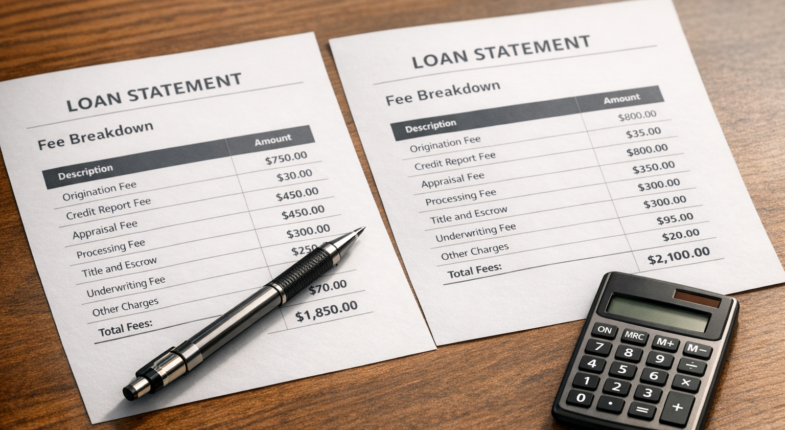
Your exit strategy could be the most telling variable of all. A fix-and-flip with a defined resale timeline and comps to back it up reads as a plan. A refinance exit that can depend on future income or a future appraisal introduces variables no one can control. Lenders underwrite the plan, not just the property. Reviewing current 2nd trust deed rates in California can help you benchmark what realistic pricing looks like before you approach a lender.
Put this together and you can see why two borrowers with the same loan amount can land at very different rates. The numbers on paper matter. But what the lender sees in the picture matters just as much. Walk in with a clean story and the pricing conversation starts from a much better place.
Why Origination Points Hit Harder Than Most Borrowers Expect
San Diego private lenders charge origination points that average around 3.3%, compared to the California statewide average of roughly 2.3 points. On a $311,558 loan, that difference is close to $10,000 out of pocket before your first payment is even due; it’s not a rounding error - it’s a cost that changes how you should think about the deal.
Points matter more on short loan terms because you have less time to spread that cost across payments. A 12-month bridge loan with 3 points front-loaded carries a heavy entry fee for a very short runway. The annualized cost of capital ends up much higher than the stated interest rate alone would suggest.
Two loans at the same rate but different points produce very different total costs over a 12-month term.

| Loan Amount | Interest Rate | Origination Points | Points Cost | Total Cost (12 months) |
|---|---|---|---|---|
| $311,558 | 10% | 2.3% | $7,166 | $38,322 |
| $311,558 | 10% | 3.3% | $10,281 | $41,437 |
Same rate, same loan size - but the higher points add over $3,000 in cost. Multiplied across a portfolio or a series of short-term deals, that gap can become a drag on returns.
Some lenders also layer in processing fees, document preparation charges, or underwriting fees that never appear in the rate quote. These line items are easy to miss when focused on the interest rate number. The rate gets the attention. But the fee sheet is where the total cost actually lives. Understanding how lenders structure their loan terms before you commit can help you compare offers more accurately.
Cross-Collateral Loans and Shorter Terms - Two Levers Most Borrowers Ignore
Most borrowers spend their energy negotiating the interest rate and leave everything else on the table. Two of the most underused tools in a private lending deal are cross-collateral agreements and term length - and both can move the numbers in a meaningful way.
Cross-collateral means you pledge more than one property to back the loan. When a lender sees more collateral, their exposure on any single asset goes down, and that reduced risk can translate into a lower rate or a higher loan amount than your target property alone would support. If you own other real estate in San Diego - even with existing debt on it - it’s worth asking your lender if pledging it changes the terms.
Term length works the other way. The longer a lender is committed to a deal, the more things can go wrong, so they price for that uncertainty. A 6-month loan is a tighter window with a cleaner exit in sight. An 18-month loan carries more exposure, and lenders account for that in their pricing. San Diego’s average private loan term runs around 17 months, which puts most deals right in the middle of that pricing band.
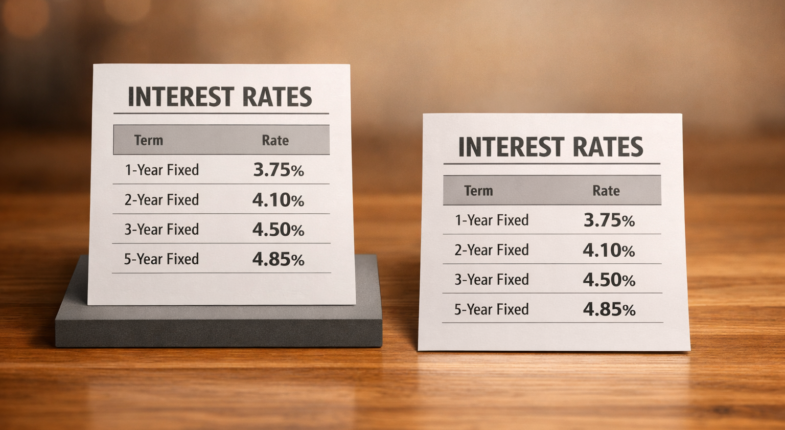
The question is whether your timeline matches the term you’re requesting. A lot of borrowers ask for 12 months because it sounds right. But their plan - permitting, construction, sale - takes longer. When the loan matures before the project does, you’re either paying extension fees or scrambling to refinance under pressure.
Shorter terms can have lower rates. But only if you can realistically execute within that window. Overestimating your pace is one of the more expensive mistakes a borrower can make in a private deal.
The term should be part of the structure conversation from the start - not an afterthought to sort out at closing.
Broker Quote vs. Direct Lender Funding - Why 9% Doesn’t Always Mean 9%
When two lenders quote you 9%, that number can mean very different things depending on who you’re actually talking to. The structure behind the quote matters as much as the rate itself.
A direct lender funds loans from their own capital. When they quote 9%, that’s the rate the money costs - full stop. A mortgage broker works differently. They shop your deal to multiple private lenders in their network and then sit between you and the funder. That middle position is how they get paid, and it changes what 9% actually means.
Brokers can add what’s called a yield spread - a layer of compensation built on top of what the underlying lender charges. So the lender could be pricing the deal at 8%, the broker can add a point to the rate, and you see 9% without knowing the gap is there. You may also pay a separate origination fee to the broker on top of that. Two fee layers on one loan is a real thing.

This doesn’t make brokers bad. They can access a wider pool of capital and sometimes place deals that a single direct lender would pass on. For a tough property or a borrower with a tough file, that access is worth something.
The move is to ask direct questions upfront with anyone. Ask if they are the lender or a broker. Ask how they are compensated and if that compensation comes from the rate, a fee, or both. Most in this space will answer straight if asked straight.
A broker who is upfront about their fee structure is someone you can work with. The ones to watch are those who make it hard to get an answer about where their money comes from on the deal.
How to Position Your Deal for Better Pricing Before You Apply
By the time you pick up the phone to call a lender, the work is already done - or it isn’t. Private lenders in San Diego make fast decisions, and those decisions are based on how clean your deal looks on first contact. A clean deal has a defined exit strategy, a basic loan-to-value ratio, a timeline, and a borrower who can explain the plan without fumbling through notes.
That last part matters more than most know. Lenders are assessing risk constantly, and a borrower who speaks confidently about their numbers signals preparation. That preparation can translate directly into better terms because the lender doesn’t have to price in as much uncertainty.
Here are the moves that can realistically change pricing in your favor before you ever get to a term sheet.
Know your exit strategy. If you’re looking to sell, refinance, or pay from income, be clear about the timeline and how you get there. Lenders want to see a credible path to repayment - not a general intention to “figure it out.” You can also review our loan scenarios to see how other borrowers have structured their deals.

Keep your LTV in check. Coming in at 60 to 65 percent loan-to-value gives a lender room to feel comfortable and gives you more leverage to negotiate on rate or fees. Higher LTV deals get priced for the extra exposure - something worth understanding if you’re weighing a 2nd trust deed against a cash-out refinance.
Understand the full fee picture before you negotiate. If you know what points, draw fees, and prepayment terms look like, you can push back on the right numbers instead of fixating on the rate alone.
Have your documents ready. A recent appraisal or comparable sales, a title report, and any renovation scope documents speed up the process and cut back on the lender’s perceived exposure. Delays cost money on both sides. If you’re borrowing against an investment property, see how 2nd trust deeds for investment properties work before you apply.
Ask direct questions about the funding source. Knowing if you’re talking to a fund, a broker, or a balance sheet lender helps you understand who actually controls the terms and where there’s room to move. If junior lien financing is part of your structure, it’s worth understanding the risks of junior lien hard money loans before finalizing anything.
Walk In Knowing Your Number - Not Just Theirs
Borrowers who walk into that conversation already knowing their numbers - their exit, their timeline, their equity cushion - give lenders less room to pad the deal. Those who treat the rate sheet as a fixed starting point tend to leave money on the table, or worse, agree to terms that create problems three months into a rehab when a draw is delayed or a sale takes longer than expected.
Before approaching any private lender, build out the full cost of capital - not just the interest rate. Know what the points do to your actual yield. Know where your LTV sits and how that changes the lender’s risk calculation. Know if you’re talking to a decision-maker or a middleman. That preparation helps you compare lenders and changes how lenders respond to you.
FAQs
What do San Diego private lenders charge in origination points?
San Diego private lenders average 3.3% in origination points, compared to California's statewide average of 2.3%. On a typical loan of around $311,558, that difference amounts to nearly $10,000 in upfront costs before your first payment is due.
Why doesn't the quoted interest rate reflect total loan cost?
Points, origination fees, processing charges, and prepayment terms all add to your total cost beyond the stated rate. Two loans with identical interest rates but different points structures can result in thousands of dollars difference in actual expense.
What is a yield spread in private lending?
A yield spread is extra compensation a broker layers on top of a lender's base rate. For example, a lender may price a deal at 8%, but a broker adds a point, so you see 9% without knowing the underlying cost structure.
How does loan-to-value affect private lending rates?
Lower LTV reduces the lender's risk exposure, which can translate into better rates. Coming in at 60-65% LTV gives lenders more comfort and gives borrowers more leverage to negotiate on rate or fees.
Can pledging extra property improve my loan terms?
Yes. Cross-collateral agreements, where you pledge additional properties to back the loan, reduce a lender's exposure on any single asset. This can result in a lower rate or higher loan amount than your target property alone would support.
Have Questions About Your Situation?
A 15-minute conversation can clarify whether a 2nd trust deed is the right tool for your goals.
Talk to Erik